Tornado hit without warning

From surviving a tornado in Alabama to selling startups in Silicon Valley.

I grew up in Joppa, Alabama. I was ten the morning a tornado came for our house. My mother picked me up and ran. She says God told her where to run.

I watched the walls shake like Jell-O. Then they popped, and everything went black.

We landed beside a huge old steel refrigerator and woke up in a pocket of space barely big enough for two people crouched over, barefoot on broken glass. Everything above us creaked like it was about to come down. We thought we were going to die. We were in there for hours. Then firefighters got us out.

Neither of us had a cut. The firefighters said the spot where we landed was the only place we could have survived. It was a miracle.

There was no warning. Lightning had knocked out the weather radar in Huntsville half an hour before the tornado touched down at 4:59 a.m., and no tornado warning was issued for Cullman County, where it began. It tore through Joppa Elementary School and destroyed 157 homes. Six people were killed. One was the uncle of one of my best friends. A Christian church helped rebuild our home for free.
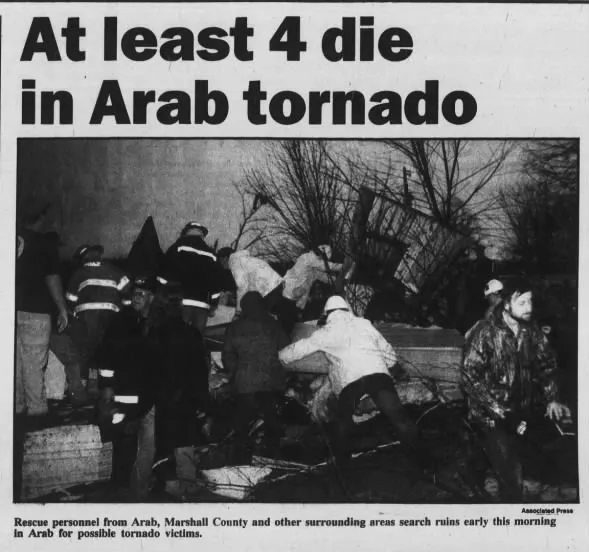
Newspaper clipping headlined At least 4 die in Arab tornado, above a photo of rescue workers searching ruins
The first reports. Rescue workers search the ruins in Arab. Associated Press photo, from a newspaper clipping.
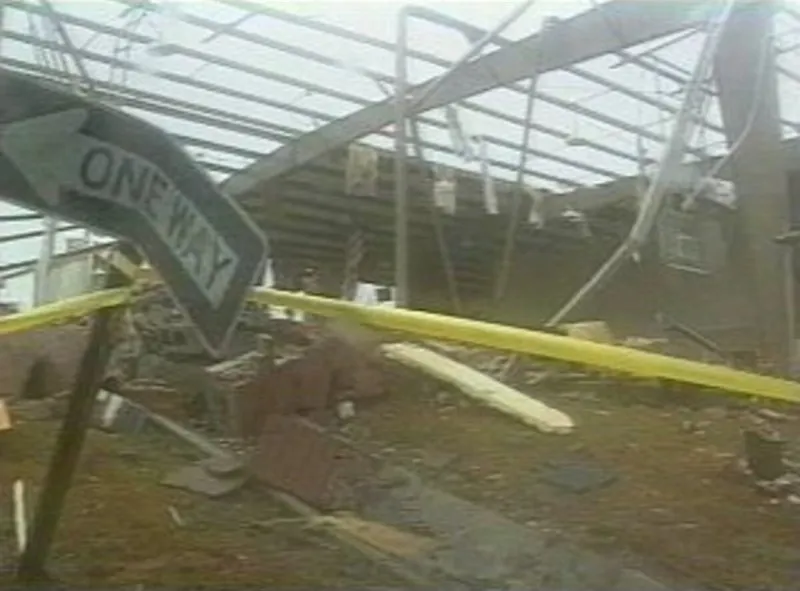
A bent one-way sign and police tape in front of a building torn open by the tornado
Arab, Alabama. What the tornado left. A still from WAFF 48 News coverage.
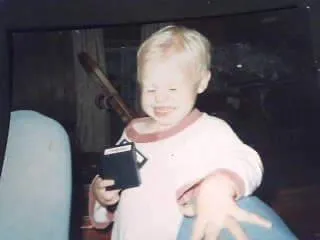
A small blond child, laughing, holding an Intellivision game cartridge
Me, at about four. With an Intellivision game. We lost most of our photos that morning, so this is one of the only childhood photos I have.
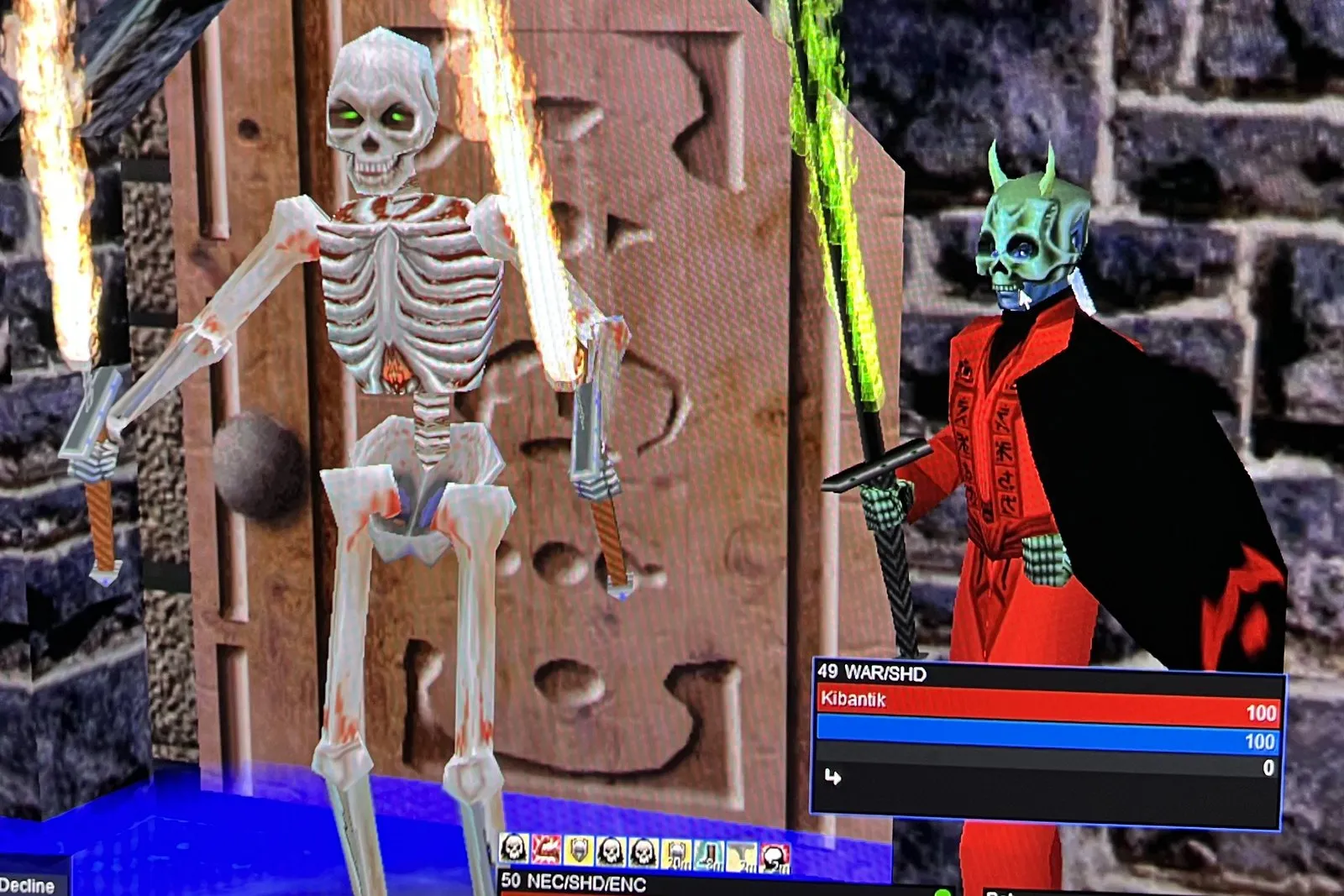
An EverQuest screenshot: a necromancer in red robes beside a skeleton pet holding two flaming swords
EverQuest. My necromancer, in a recent screenshot. I still play.

First business ran inside a video game

It started on IRC, in a small group of programmers. I was nowhere near the best programmer in it. But when we played Quake, I was always the best player.

That led to EverQuest. As a teenager I became one of the top players in the world and ran my first business selling in-game items. I had customers around the world and tracked sales in a plain text file.

A player named Malden, on the Lanys T'Vyl server, became my mentor. His advice: buy stocks and start companies. I did both. I bought what I knew, which around 1999 was Nvidia. Then I sold it to travel. I try not to think about that.

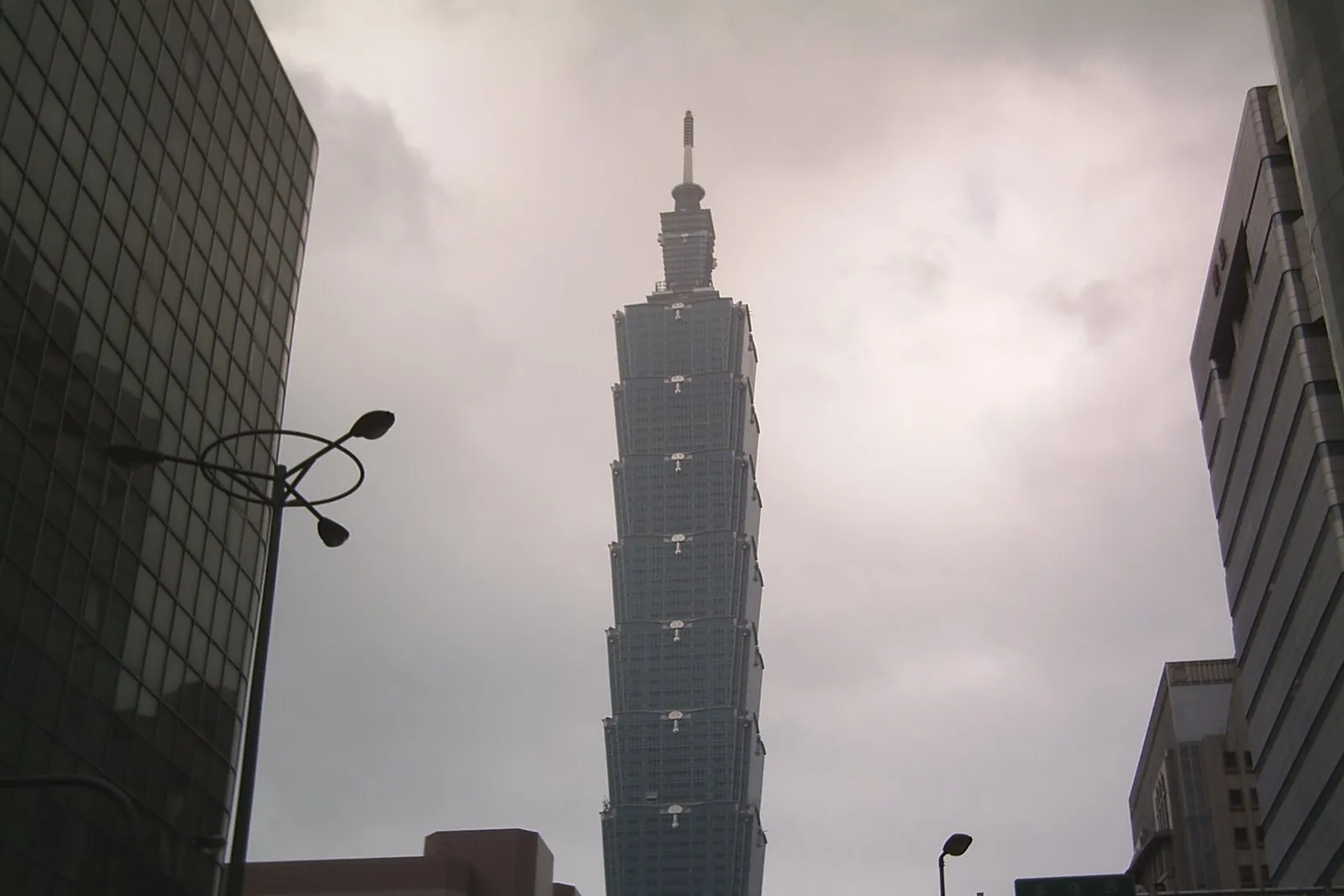
Taipei 101 seen from street level under an overcast sky in 2005
Taipei, 2005. Taipei 101, then the tallest building in the world.

At 20, a move to Taiwan and two TV commercials

After Alabama I spent a year in Michigan and learned sales. I took a job selling computers and got promoted quickly. I also watched 8 Mile on 8 Mile when it came out.

Then came Florida. I hung out with Kevin Shelton, a real estate investor the local news called the Money Man. He shot two-dollar bills into crowds from a cash cannon, and he showed me the news clips all the time. I spent my days on a lake in Odessa and at parties. Kevin and I rode a jet ski to meetings, some of them at the homes of Tampa Bay Buccaneers players whose houses we were trying to buy. I learned a ton from Kevin, and even helped him strategize on some of his projects.

Then I read Jim Rogers, who grew up in Alabama like me. He started the Quantum Fund with George Soros, then traveled the world and wrote books about it, China most of all. I decided I wasn't going to stay in real estate. I was going to keep learning.

So at 20 I moved to Taiwan to live. My childhood neighbor, who ran that IRC group, was already there. I studied Mandarin, taught English part-time, saw most of Asia, and somehow ended up in two national TV commercials.

I've never been able to find a copy of either commercial.

Cloud gaming startup signed the developer behind DotA

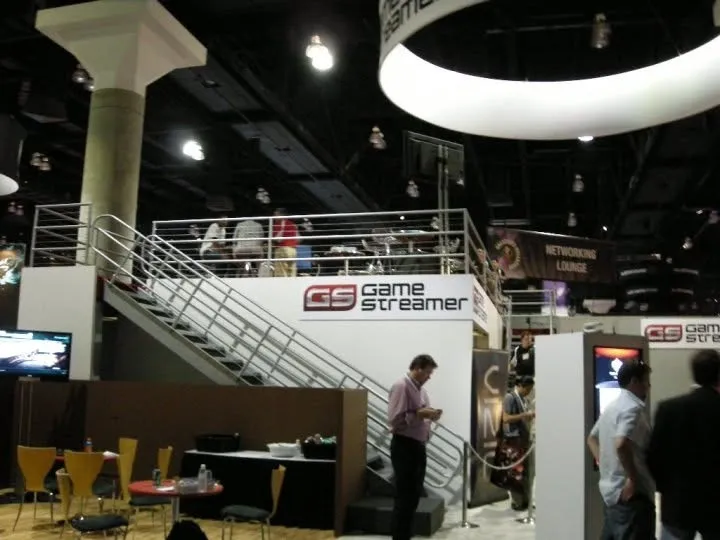
The two-storey GameStreamer booth on the show floor at E3 2010, with a staircase up to a meeting deck
E3, 2010. The GameStreamer booth, two floors of it.
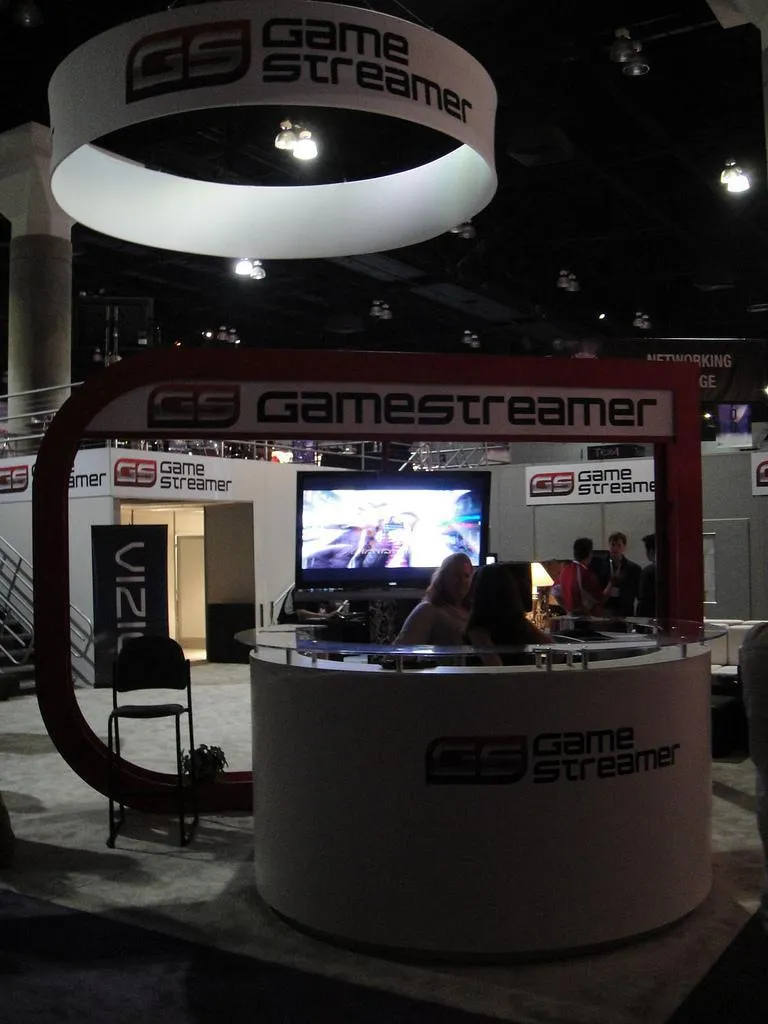
The front desk of the GameStreamer booth under a large illuminated ring
The front desk. On the E3 show floor in Los Angeles.

After Taiwan I went back to Alabama briefly to help my mother, who had been hurt. Then I returned to Florida and lived at Kevin's house on the lake for a year.

Real estate was still the main thing I knew, thanks to him, so that's where I started. Tour de Home was an interactive home search with a booth in a Tampa mall and a big real estate company as its sponsor. Then the real estate market collapsed.

To pay rent I got creative. I had helped sell an apartment building, and the buyer couldn't find renters. I worked out how to keep his listings at the top of Craigslist, posting and removing them automatically at exactly the right times. It made me enough to survive.

Then I left real estate for video games. My first big startup was in cloud gaming. We acquired the technology from the Phantom, the infamous game console that never shipped.

I negotiated all of our deals with game publishers: THQ, Ubisoft and other major studios, and Jonathan Blow, the creator of Braid. I signed a licensing deal with IceFrog, the developer behind DotA. The CTO from that startup created the original engine for League of Legends.

We grew GameStreamer to more than 50 people and raised over $10M. Our rivals had more: Gaikai raised $30M, and Steve Perlman's OnLive raised $110M. GameStreamer was sold in 2010.

I ended up leaving GameStreamer to help one of those rivals. David Perry, the creator of Earthworm Jim, was building Gaikai. As a consultant I helped him with the early strategy and with recruiting his chief operating officer, Nanea Reeves, a former Electronic Arts executive.

$380M
What Sony later paid for Gaikai.

A new word: gamify

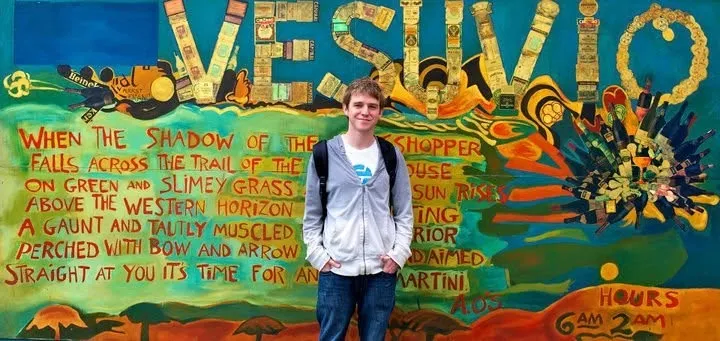
Nathan Lands as a young man, standing in front of the painted Vesuvio mural in North Beach
San Francisco. New in town, outside Vesuvio in North Beach.

Then I spent 13 years in Silicon Valley. I had always seen the world through the lens of gaming, and I believed that one day all work would look like play. So I coined the word gamify and founded the company with J.R. Bédard, who had been the first engineer at Scribd.

The day we launched, Google had nothing for the word. I introduced it to Dean Takahashi of VentureBeat at an E3 party, Michael Cera said it on the Scott Pilgrim press tour, and the word took on a life of its own.

The seed money, and a row of Macs, came from Dan Dodge, the founder of QNX. It started with a favor: I got him into BlizzCon by emailing a friend, one of the top people at Blizzard. I was still playing seriously. The same friend got me into the StarCraft II beta, where a teammate and I briefly held the highest possible 2v2 rank in America.

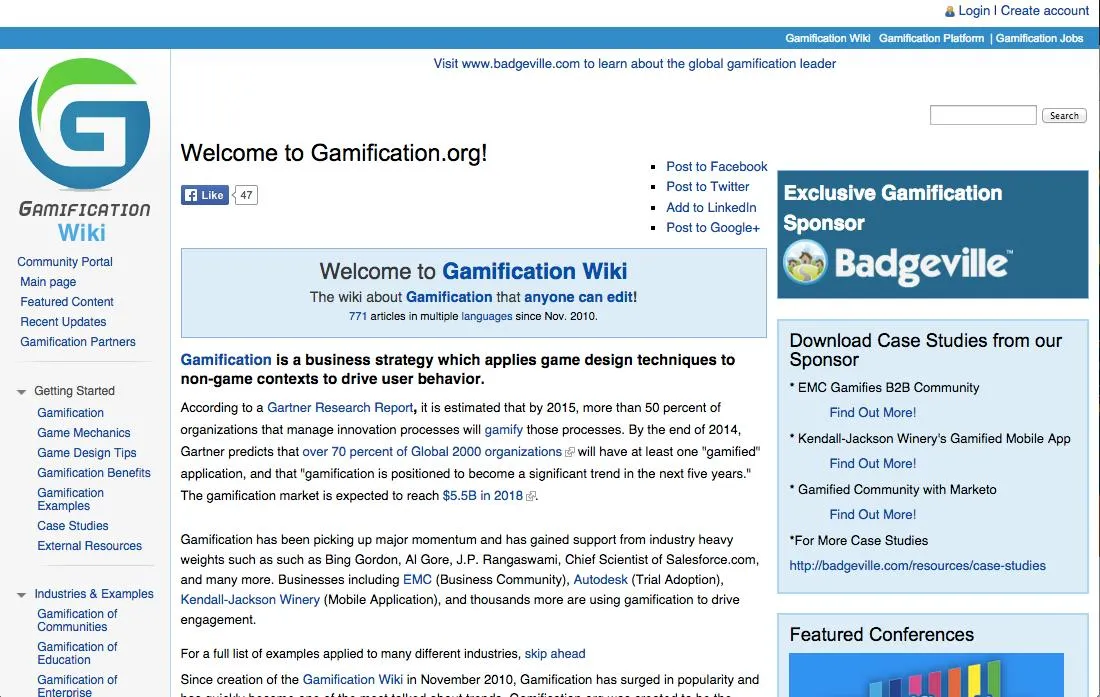
We built Gamification.org into the leading resource on the subject, in more than 22 languages, and Badgeville, backed by Andreessen Horowitz, bought it in 2012.

Back then, work that looked like play sounded far off. With AI/SI, it's starting to become reality.

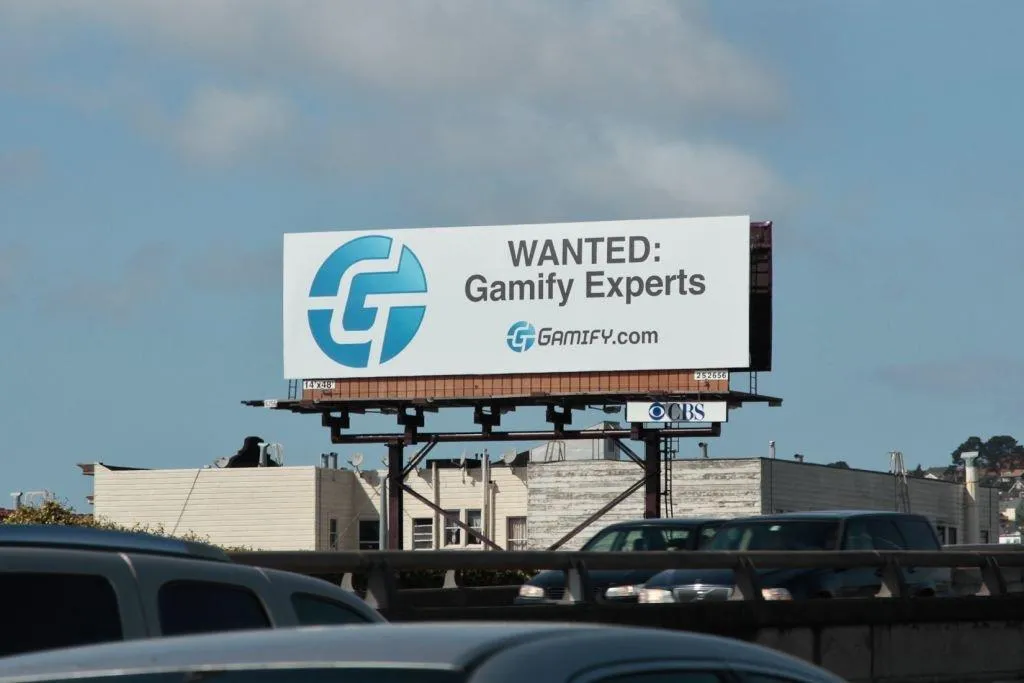
A roadside billboard in San Francisco reading: Wanted, Gamify Experts, Gamify.com
San Francisco, 2012. The Gamify billboard.
Gamify artwork: a metal sphere marked with a G beams game icons down onto the Earth
Gamify. Game mechanics, beamed down to Earth.
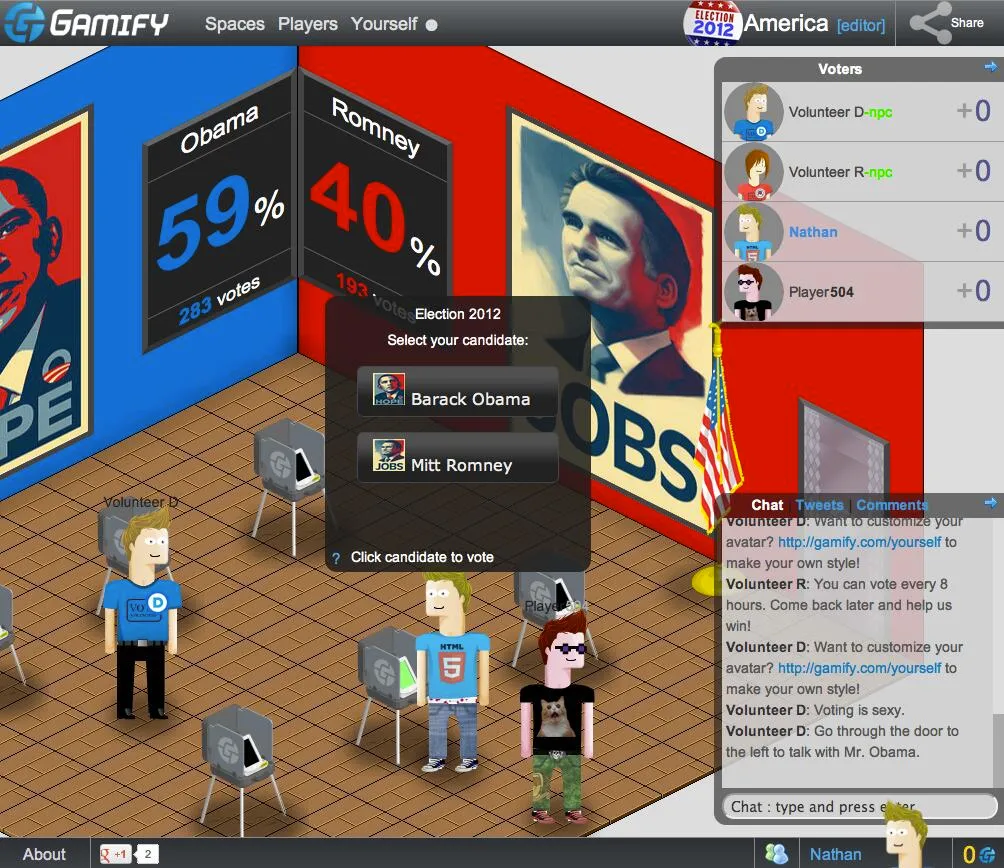
Screenshot of Gamify the Vote, a virtual polling place with avatars
2012. Gamify the Vote, built for the Obama and Romney election.
Screenshot of the Gamification.org wiki home page
Gamification.org. The top Google result for “gamification” for over three years.
0
Google results for “gamify” when we launched.
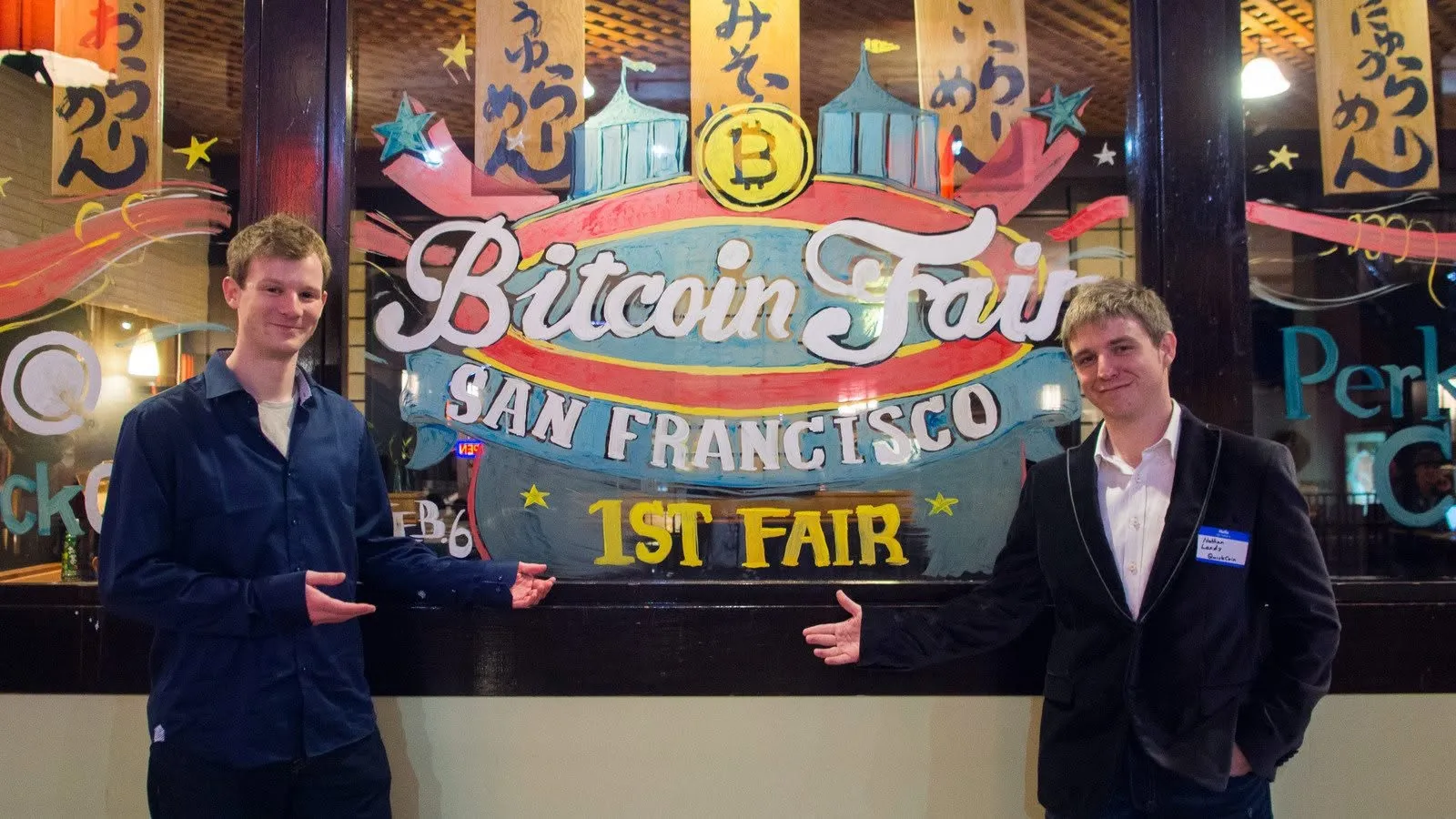
Two men gesturing toward a hand-painted window sign that reads Bitcoin Fair, San Francisco, 1st Fair
San Francisco, February 6, 2014. Outside the first Bitcoin Fair, with Marshall Hayner, left.

Early into Bitcoin

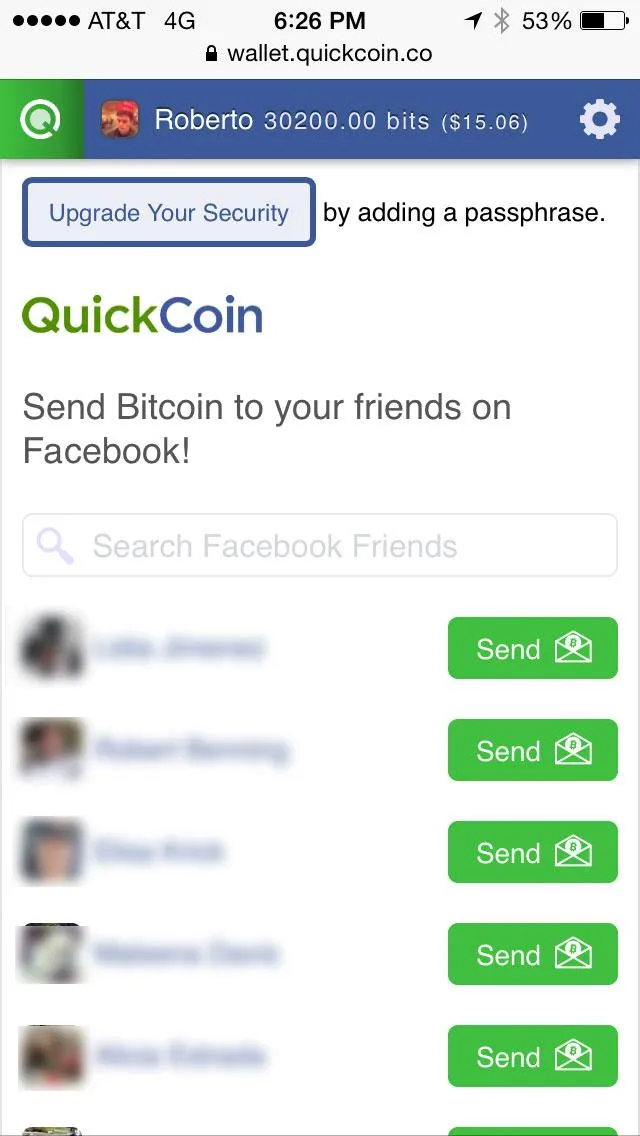
J.R., my Gamify co-founder, got me into crypto early. He later bought into Ethereum at its 2014 crowdsale. After talking with Erik Voorhees I bought my first bitcoin. Then I co-created QuickCoin, the first social Bitcoin wallet, which landed me in the book The Age of Cryptocurrency.

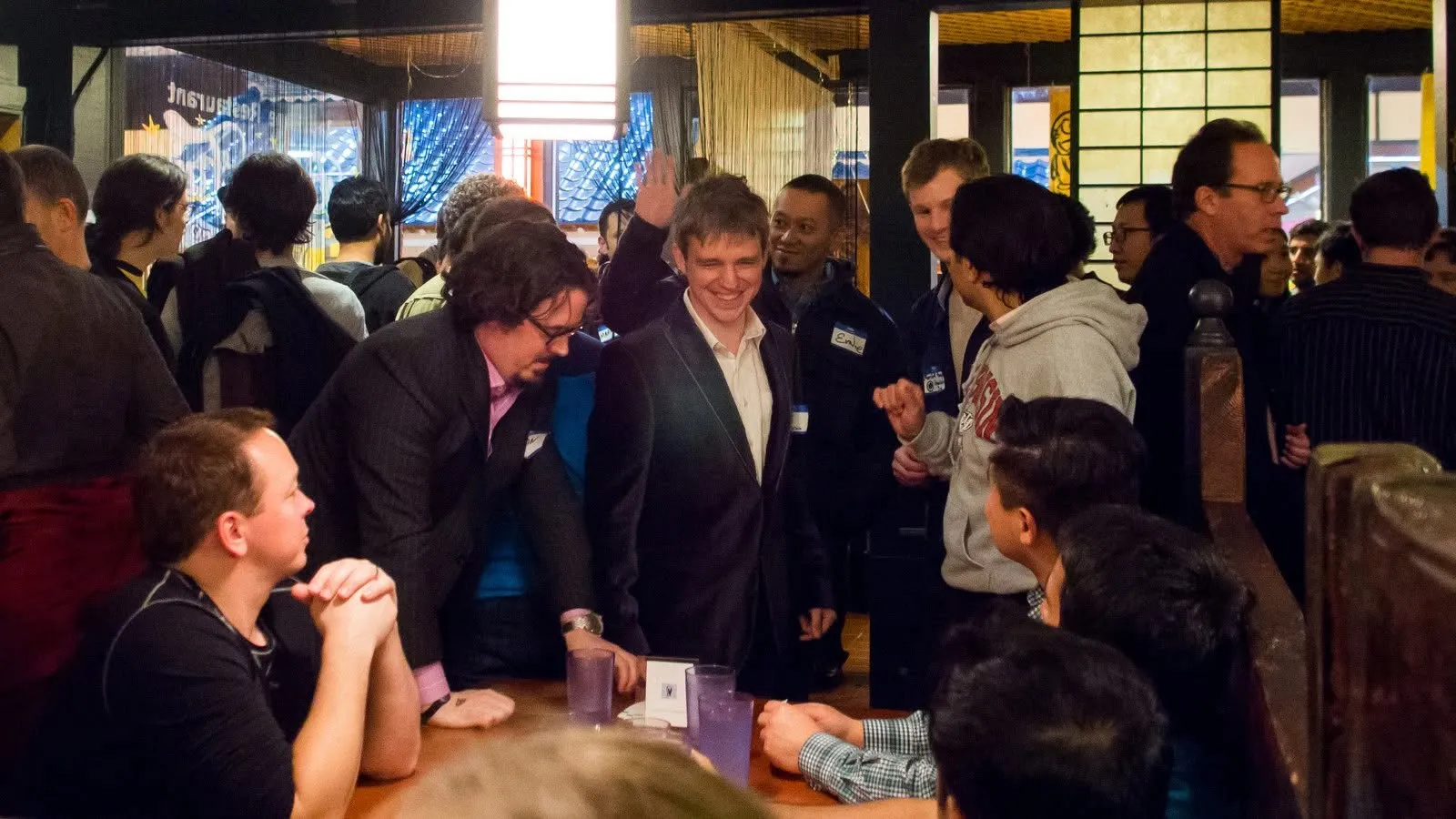
In February 2014, Marshall Hayner and I put on the first Bitcoin Fair in San Francisco, at Ramen Underground in Japantown: a hand-painted sign in the window, bitcoin accepted for dinner, and a room too full to move in.

It was one of the first events in the city where you could buy food and drinks with bitcoin. Prominent founders and investors came out, among them Jeremy Liew and my good friends Ali Moiz and Murtaza Hussain, who created Streamlabs.

A crowded room at the Bitcoin Fair, people standing shoulder to shoulder around a table
Inside the fair. Standing room only.
The QuickCoin wallet on a phone: send Bitcoin to your friends on Facebook
QuickCoin. Send Bitcoin to your friends on Facebook.
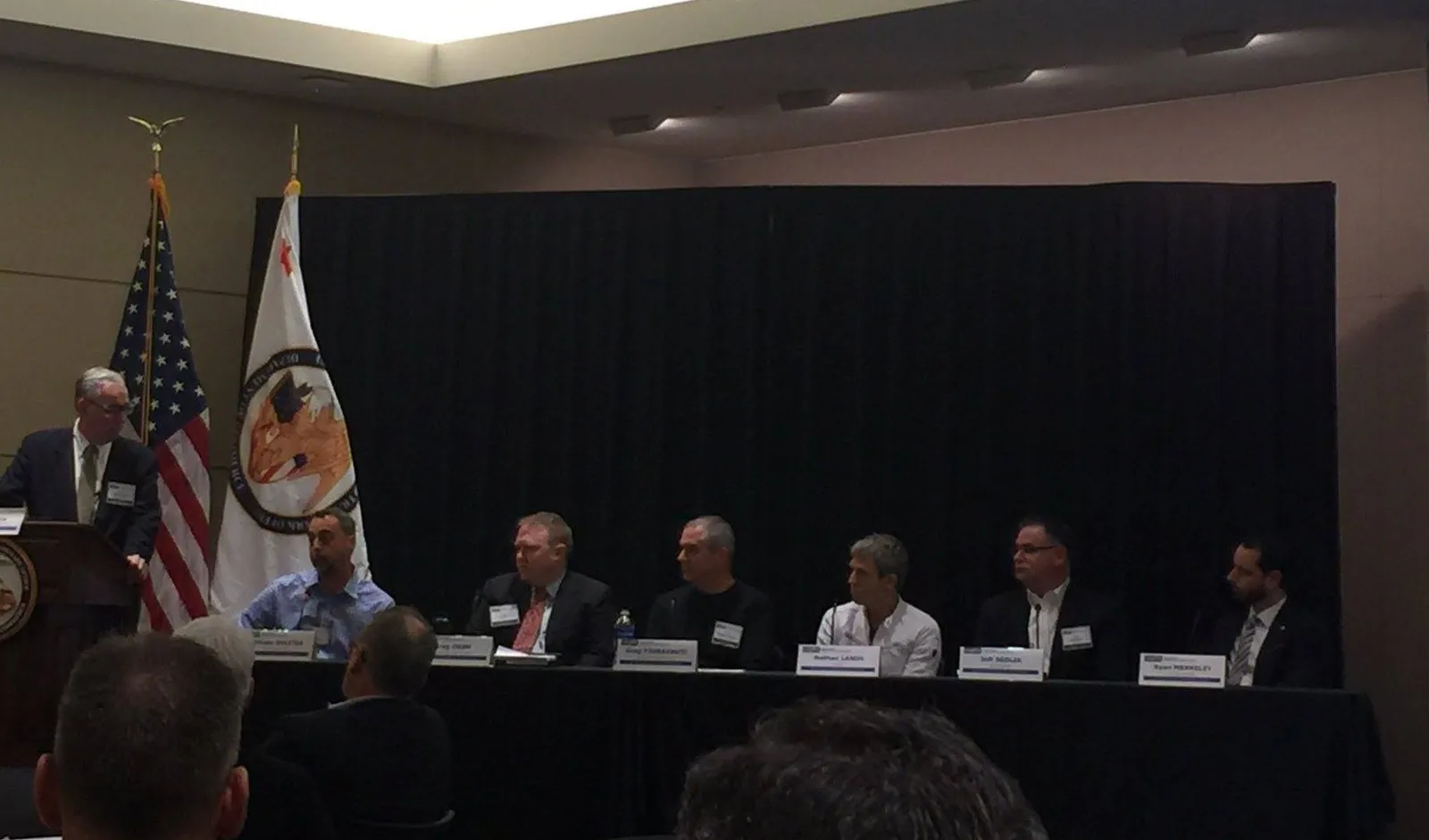
Six panellists seated at a long table beside a speaker at a lectern, an American flag behind them. One name card reads Nathan Lands.
The future of copyright. On a government panel, fourth from the left.

Copyright for more than 10,000 artists

QuickCoin became Binded, copyright protection for artists. You uploaded your work, we recorded it on the blockchain, then we scanned the web to show you where it was being used. More than 10,000 artists used it to protect their work.

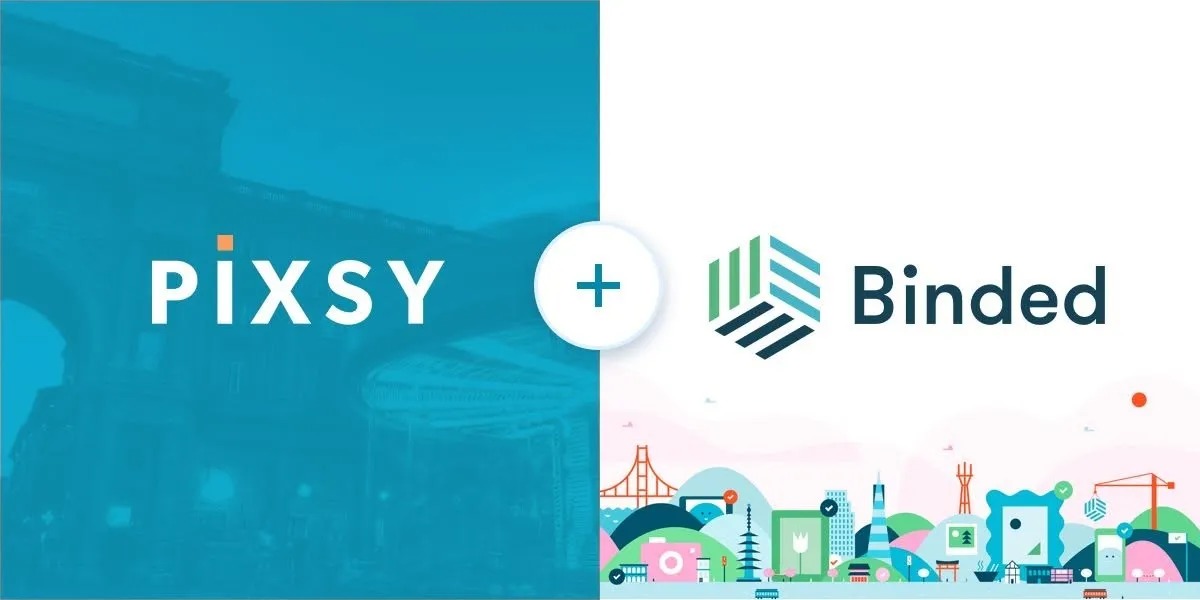
That took me to the Library of Congress to talk about the future of copyright. Pixsy bought the company in 2019.

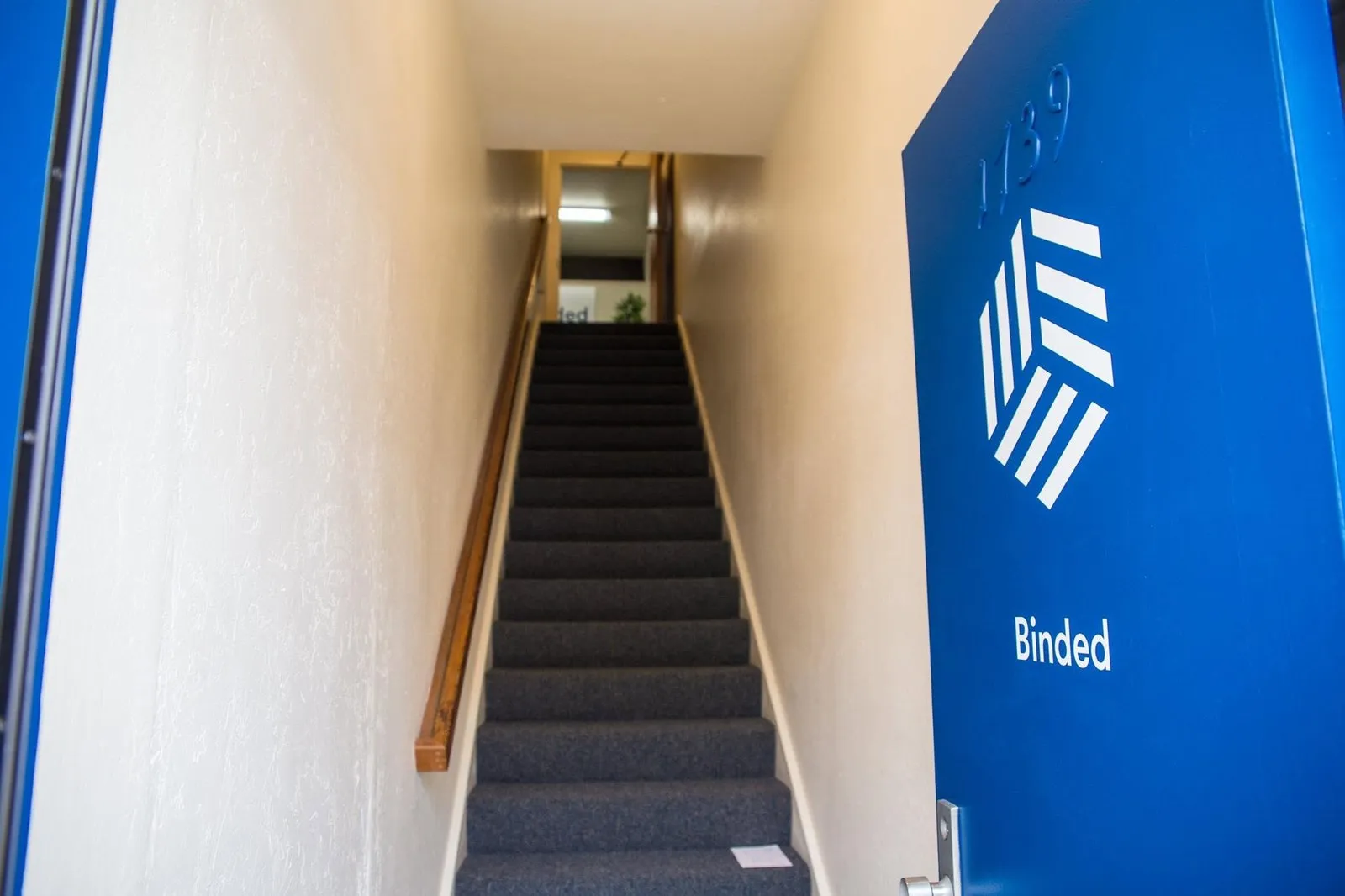
An open blue door with the Binded logo, and a staircase leading up to the office
Japantown. The door to the Binded office.
Announcement graphic: the Pixsy logo, a plus sign, and the Binded logo
2019. Pixsy acquires Binded.

A film studio founded with the producer of The Lord of the Rings

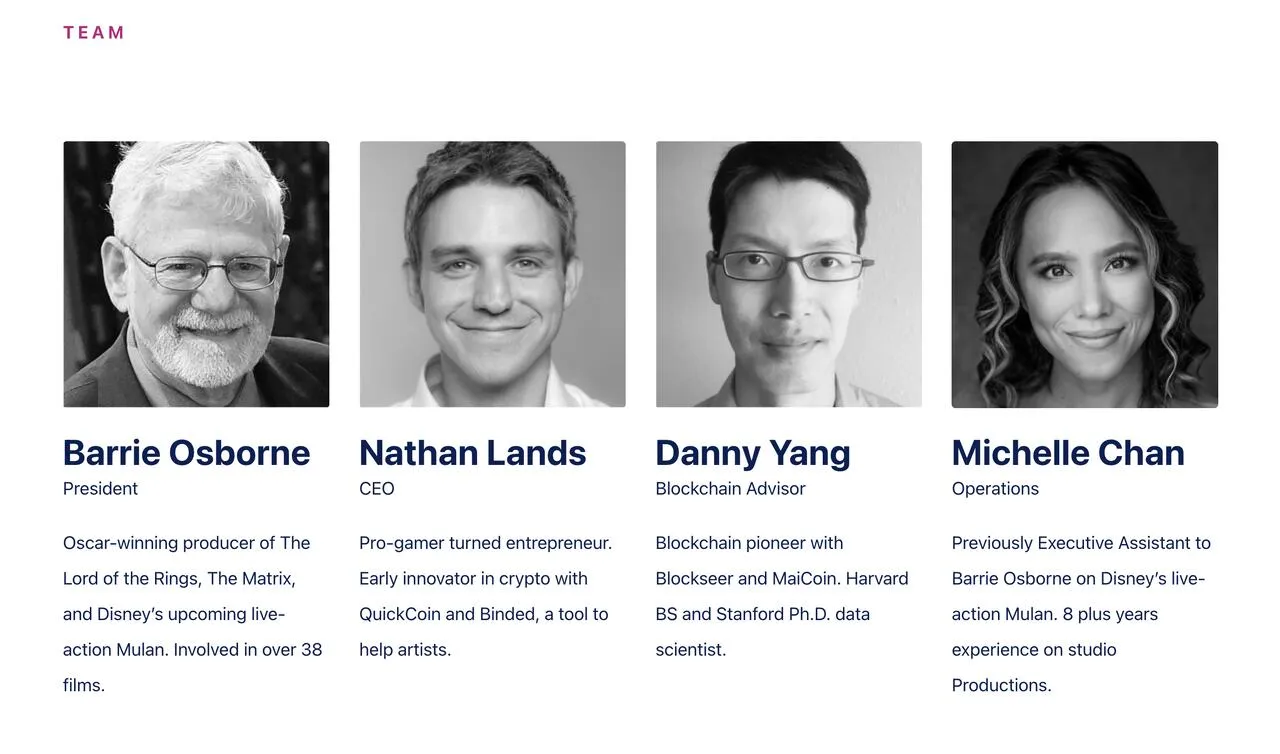
Later I founded Lore Pictures, a crypto-funded film studio, with Barrie Osborne, the producer of The Lord of the Rings and The Matrix. Bill Tai introduced us and brought Barrie to my office in Japantown.

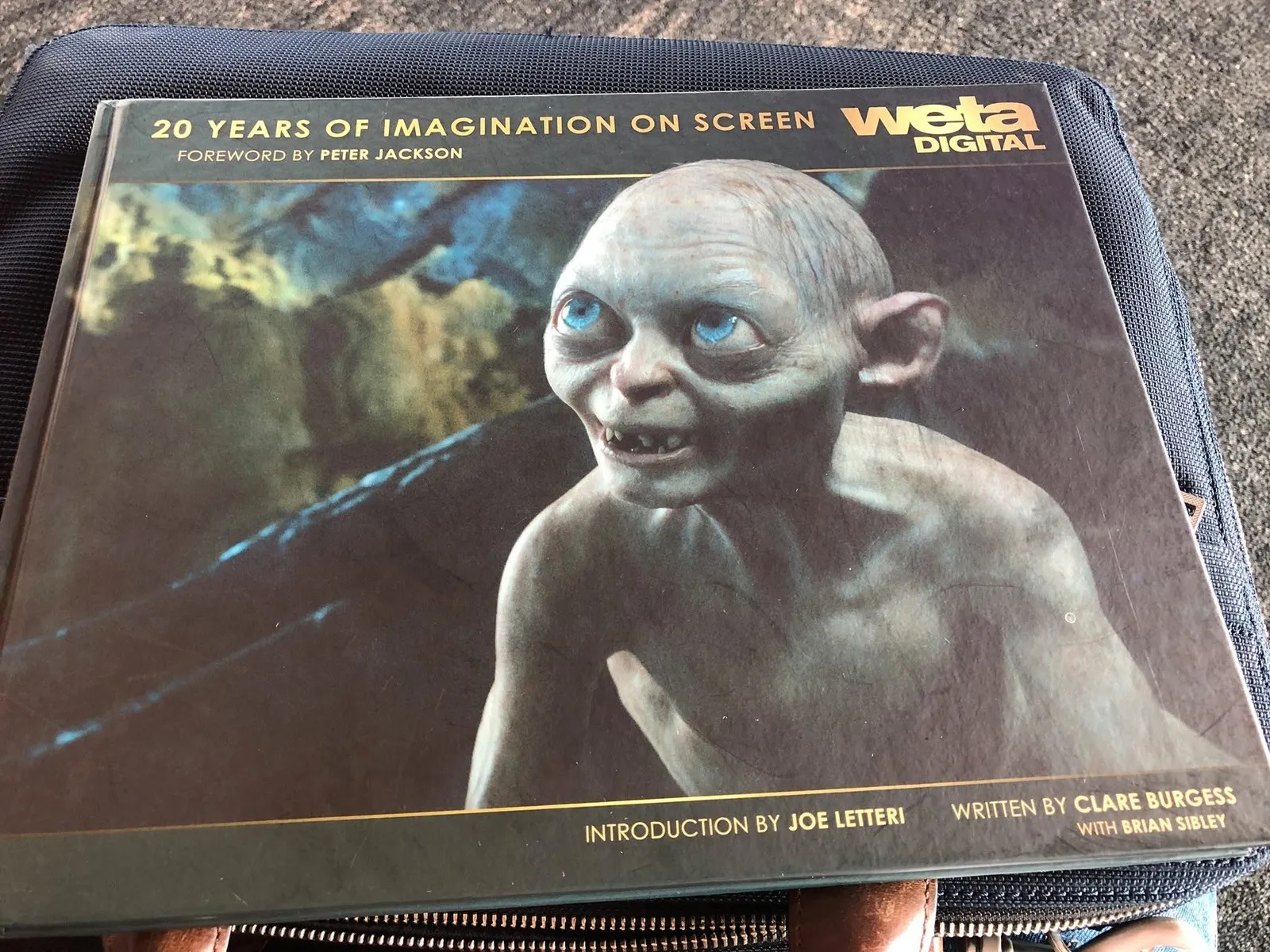
We spent over a year researching films to make and how to raise the money for them. I flew to New Zealand several times. I held Aragorn's sword at Weta Workshop. I even got to sit in the director's chair for a day on the set of Disney's Mulan. Then COVID arrived, and we never made a film. The studio is why I bought Lore.com.

The Lore Pictures team page, with Barrie Osborne as president and Nathan Lands as CEO
Lore Pictures. The founding team, with producer Barrie Osborne as president.
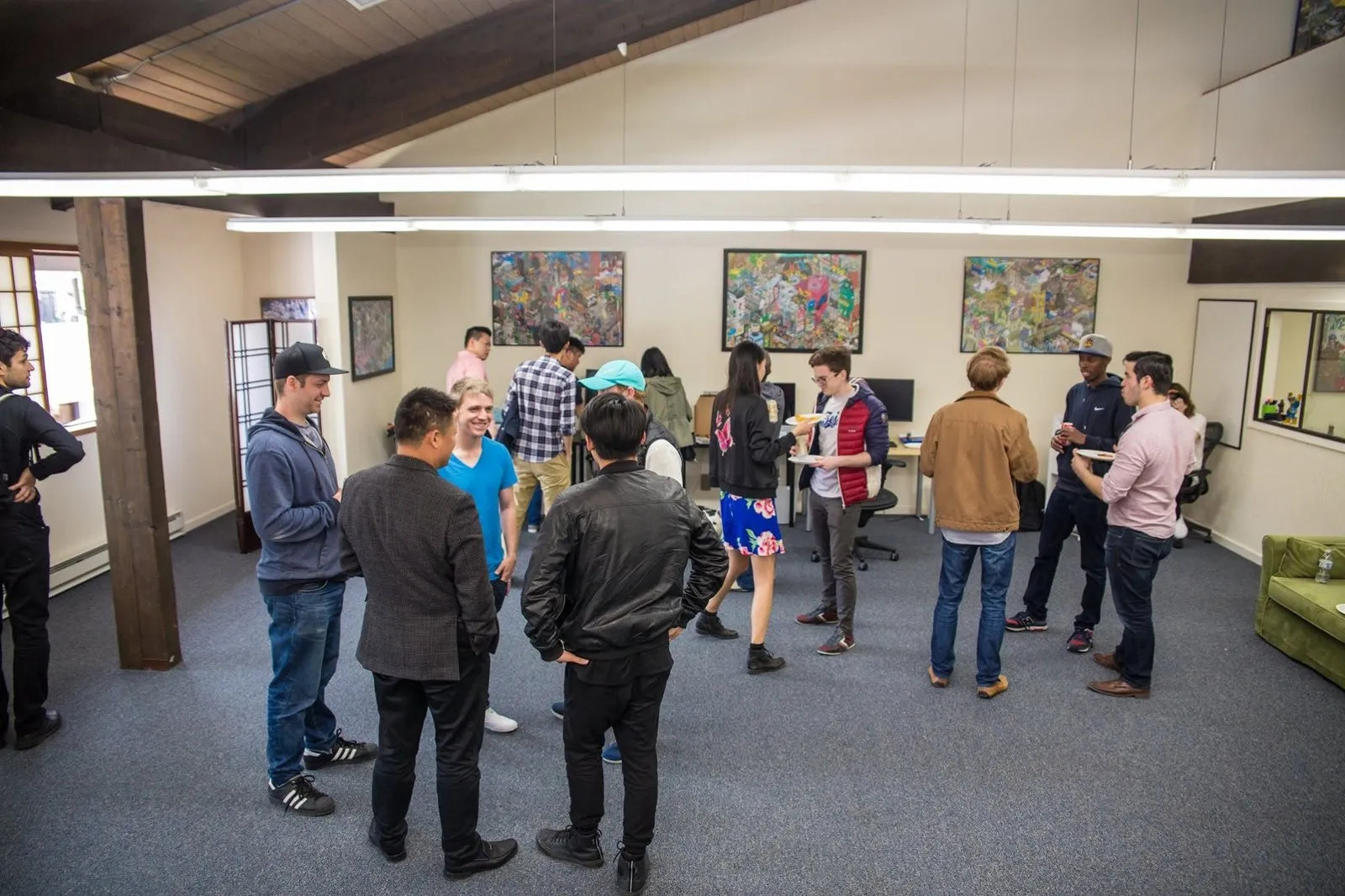
A gathering in a loft office with exposed beams, pixel-art posters on the wall and a shoji screen in the corner
Japantown, San Francisco. The Binded office, where Bill Tai brought Barrie.
A hardcover book, Weta Digital: 20 Years of Imagination on Screen, with Gollum on the cover
Weta Workshop. A gift from the VIP tour, thanks to Barrie.

From Kyoto, a newsletter, a podcast and 100 million views

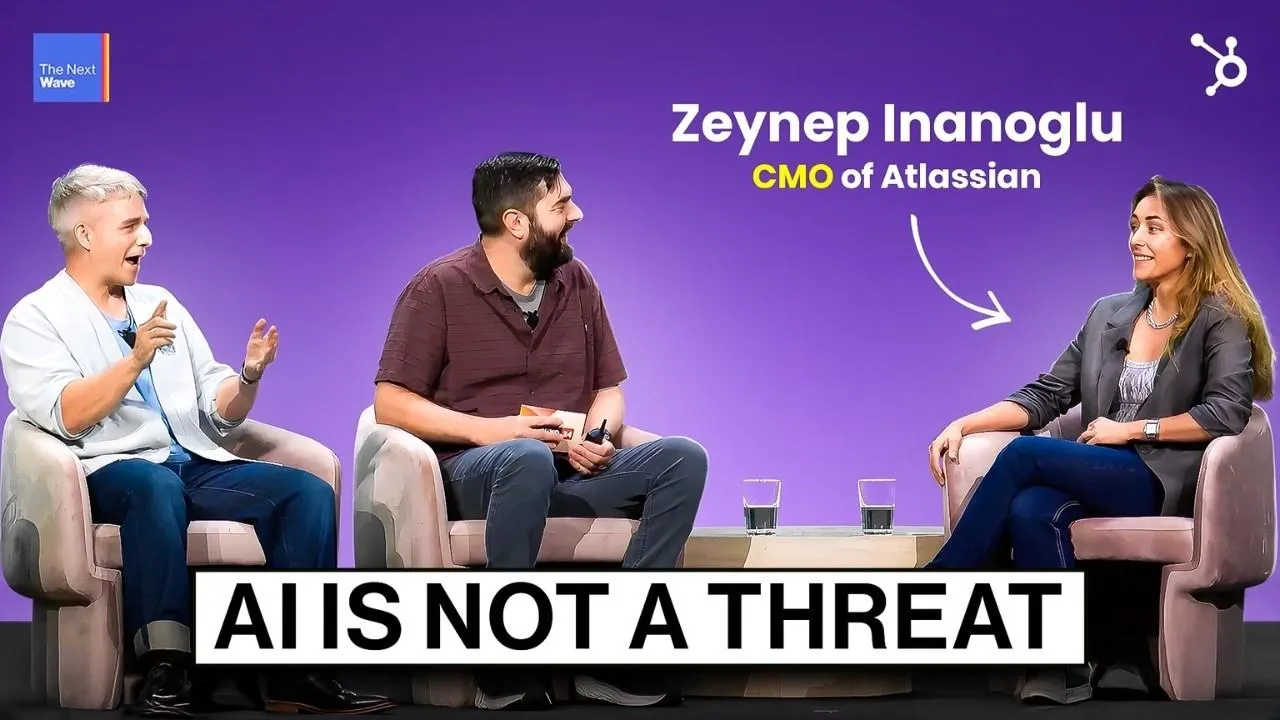
The Next Wave on YouTube: three people in armchairs on a conference stage
INBOUND main stage. The Next Wave with Zeynep Inanoglu, CMO of Atlassian.
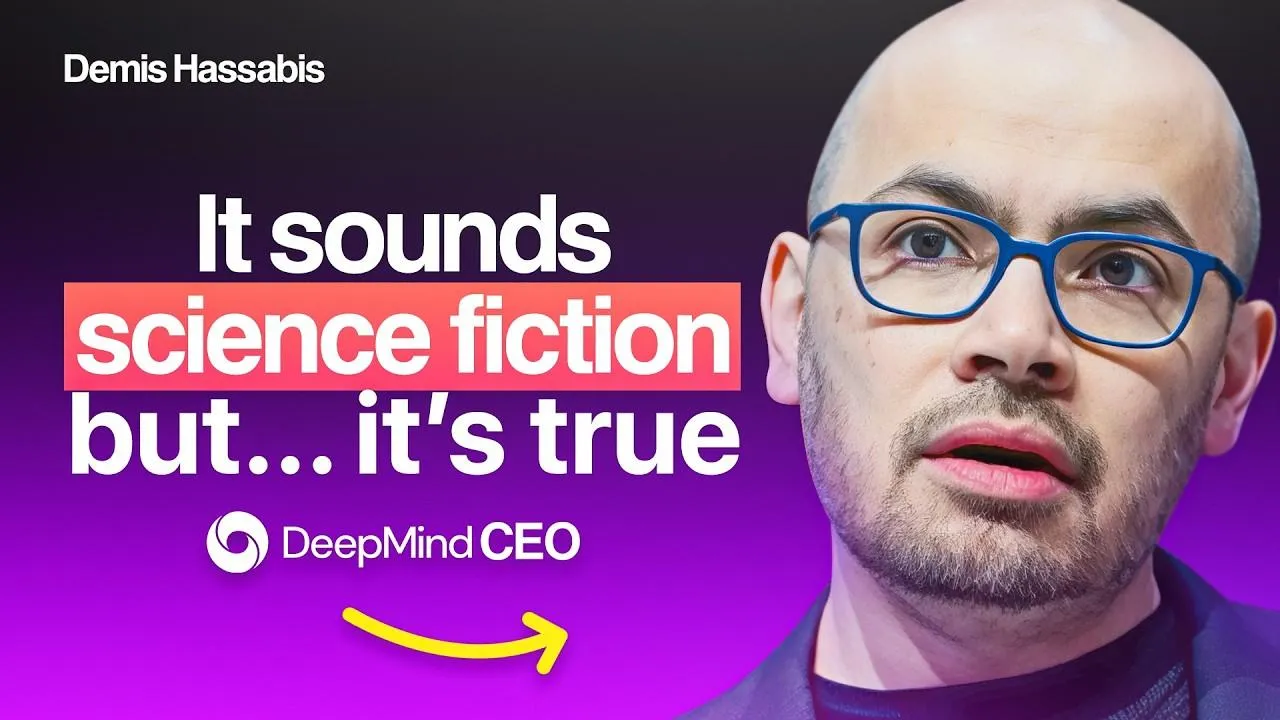
The Next Wave on YouTube: episode artwork for the interview with Demis Hassabis
Demis Hassabis. DeepMind.
The Next Wave on YouTube: episode artwork for the interview with Mustafa Suleyman
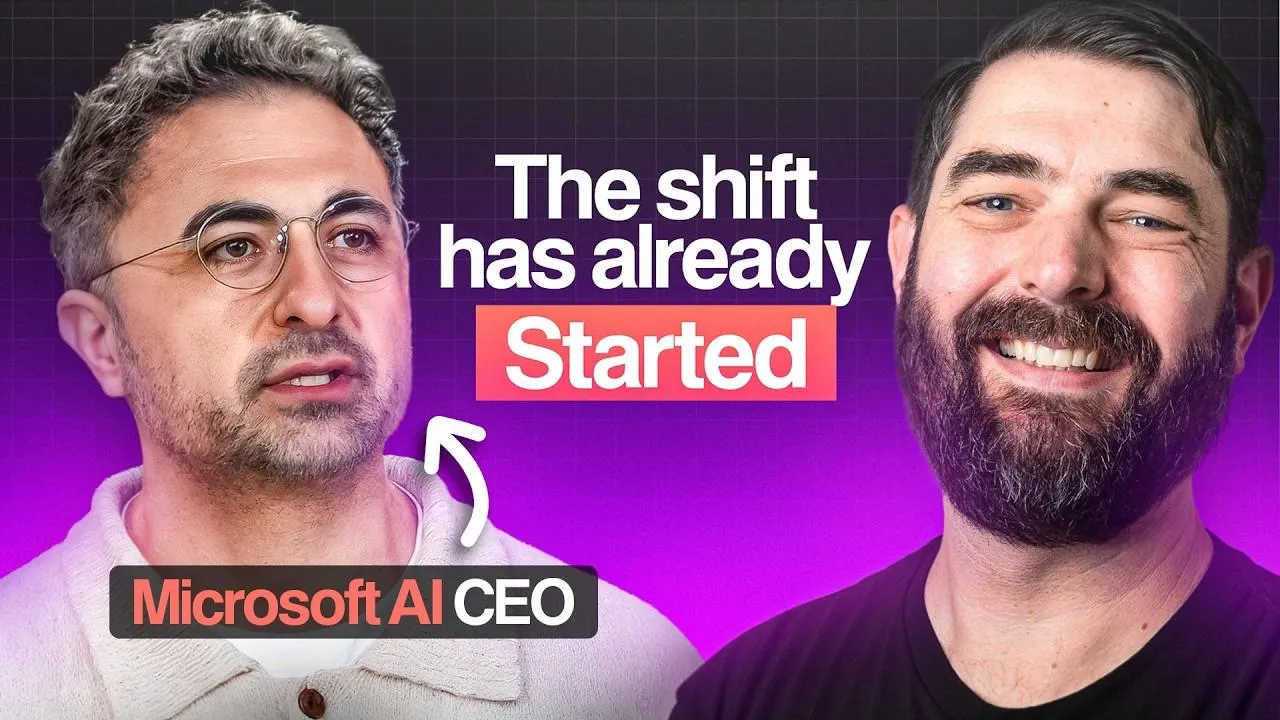
Mustafa Suleyman. Microsoft AI.
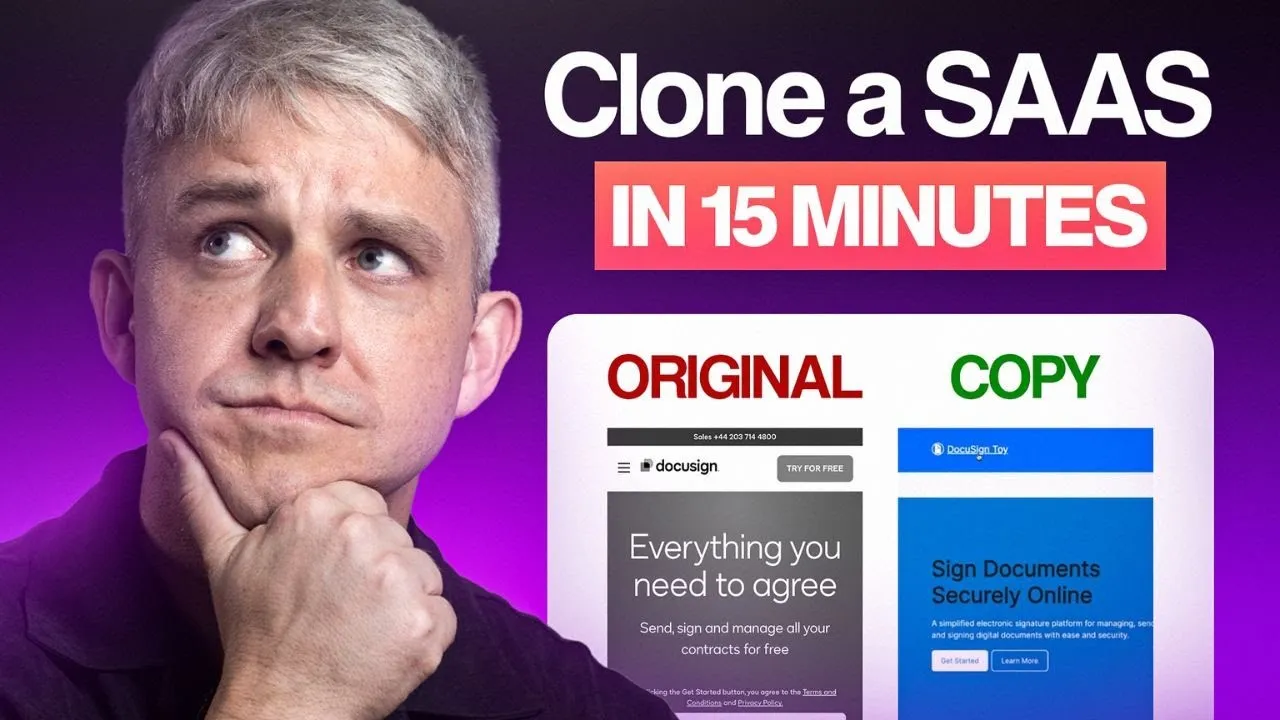
The Next Wave on YouTube: episode artwork reading Clone a SaaS in 15 minutes
Our most-watched episode. With Matan Grinberg, the founder of Factory.

For the past four years I've lived in Kyoto. From there I started Lore Brief, a newsletter on AI/SI that peaked at 47,000 subscribers, with readers inside OpenAI, NVIDIA and Sequoia.

I also started posting on X. Enough of it went viral to bring about 75,000 followers. Elon Musk has shared my posts many times. President Trump shared one.

Another post got Jeff Bezos to follow four of us: Matt Wolfe, Greg Isenberg, Logan Kilpatrick and me.

Matt and I were in a private group with a lot of the top people in AI/SI, and we all became friends. Four of us decided to start a podcast together: Matt, Rowan Cheung of The Rundown, Bilawal Sidhu, who went on to host The TED AI Show, and me. We bought the equipment. Then one of us backed out, and I still had the gear.

Matt came to me with another idea: do the show with HubSpot. That became The Next Wave, HubSpot's AI podcast.

One of the first things that helped the show take off was Logan Kilpatrick coming on to explain why he had left OpenAI for Google. I set that up. Other guests included Aravind Srinivas of Perplexity, Demis Hassabis of Google DeepMind and Mustafa Suleyman of Microsoft AI, and the show made it to the main stage at INBOUND.

Our most-watched episode was with Matan Grinberg, the founder of Factory. I helped produce it from start to finish. The show ran for more than two years and had over 1.5 million plays.

100M
Views on a single post, about the USA and Japan.

Backing American startups, and starting one more

The newsletter and the podcast put me close to the people building AI/SI, so I started backing them. I helped Factory launch, working with its founder on the story and the go-to-market, and invested in it. Then came Erebor, SF Compute and Vanguard Defense.

My part is usually the same: the story, the launch, and getting the right people in the room.

Anjney Midha invited me to become an a16z Scout, where I focus on American Dynamism and infrastructure. The work I care about most now sits where technology meets national security.

In January 2026 I started Lore Systems, a defense technology company. We set out to build security infrastructure for sovereign AI: a way to check, cryptographically, that every AI request is authorized. We built a prototype, and I made several trips to Washington, D.C. I led the company until September. I'll tell that story when it's finished.

  • Investor

    Factory

    Agent-native software development. Helped launch it.

  • Investor

    Erebor

    A nationally chartered bank for American innovation, founded by Palmer Luckey.

  • Investor

    SF Compute

    A market for GPU clusters. Buy large-scale compute, resell what you don't use.

  • Investor

    Vanguard Defense

    Mission-ready data for autonomous defense systems, labeled by U.S. veterans.

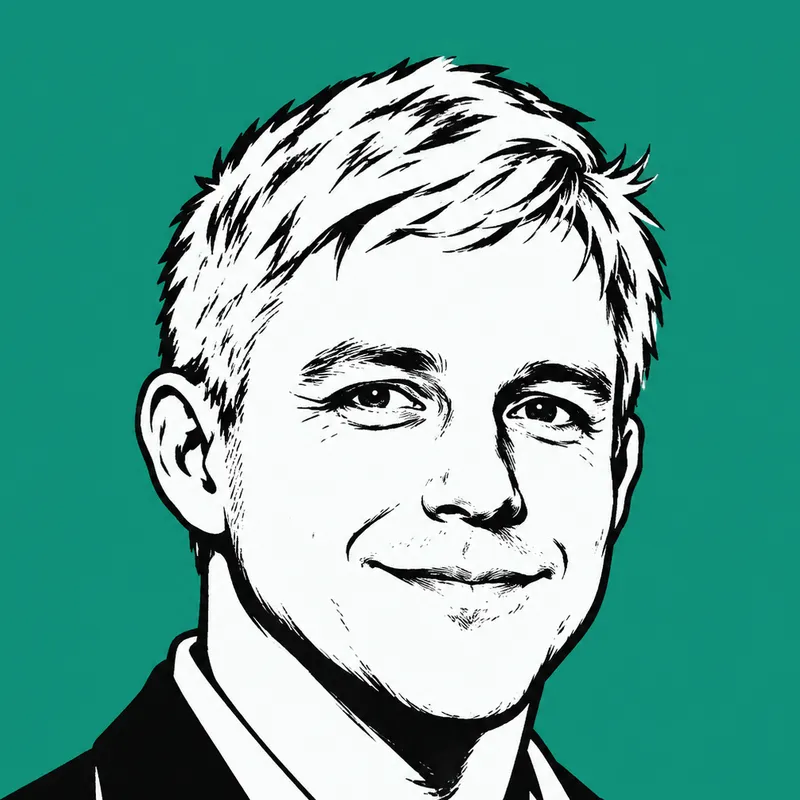
Illustrated portrait of Nathan Lands
NowThe next chapter

Building and backing startups that help America win.

I've founded four companies and had three exits. I've been investing the whole time: Nvidia as a teenager, bitcoin early, and now the companies I think America needs. I'm moving back to America soon for my next chapter.